
How Latina Women Can Heal the Link Between Trauma and Addiction
You tell yourself you are just tired. You deserve that glass of wine to relax. One glass becomes two, and suddenly it feels like the only way to quiet your thoughts. You wake up determined to do better, but by evening the cycle repeats. You function, you smile, you show up, but deep down you know you are not healing, only surviving.
For many First-Gen and Latina women, substance abuse and trauma are not separate stories. They are two parts of the same pattern, where coping turns into survival and survival becomes a habit that keeps you from truly living.
In case you are new here, I am Diana Beltrán, founder of Happy Autumn Counseling, a virtual group practice serving Texas and Arkansas. Through trauma therapy and substance abuse therapy, my team and I help bilingual and First-Gen women understand how unhealed experiences and coping behaviors connect, rebuild emotional safety, and create a life that feels grounded, stable, and free.
Understanding substance abuse and its hidden roots
What is substance abuse?
Substance abuse happens when alcohol, medication, or other substances are used not just for enjoyment or relief, but as a way to escape emotional pain or stress. It often begins as an attempt to manage feelings that feel too heavy to face. Over time, the body and mind start to depend on that external comfort, and what once brought calm begins to cause disconnection.
Why it often begins as a coping mechanism
When the nervous system lives in constant stress, substances can bring temporary calm. The brain learns that this quick relief feels like safety, even if it only lasts for a short while. Over time, that relief becomes something the body craves when pain feels unbearable.
The cycle of relief and shame
What begins as comfort can quickly turn into guilt and isolation. You promise to stop, but each attempt feels heavier than the last. The same pattern repeats until it becomes a quiet loop of hope, shame, and exhaustion. Recognizing this cycle is not failure, it is the first sign of awareness and the first step toward recovery.
This pattern shows up in small, familiar moments. Maybe you reach for a drink after work to unwind, or take something to help you sleep after a fight. Morning comes with guilt and promises to do better, yet by evening, the pressure builds again. These quiet repetitions are not about weakness but about pain that still needs safety to heal.

The link between trauma and substance abuse
How trauma changes the brain and body
When trauma happens, the brain’s alarm system stays on. The body remains alert long after the danger has passed. Over time, this creates a constant sense of tension and emotional exhaustion. The brain begins to seek something, anything, that turns the alarm off. Substances temporarily calm this system, creating an illusion of safety.
Emotional survival patterns that reinforce addiction
Trauma teaches us to survive. Some people learn to numb emotions, others to please everyone, and others to stay in control at all times. These patterns, while protective, often lead to emotional burnout. Substances then become the tool to quiet the discomfort that never seems to stop.
Cultural and generational layers of trauma
For many First-Gen and Latina women, trauma does not begin with a single event. It is woven into cultural expectations of strength, silence, and self-sacrifice. You are taught to be grateful, to stay strong, to hold it all together. Asking for help can feel like letting others down. That inherited pressure becomes a quiet trauma of its own, one that makes self-care feel selfish.
Research has also shown how deep this connection can run. In a five-year longitudinal study examining Latina mothers and daughters, emotional abuse emerged as the most common form of violence experienced by both generations. Nearly one in three women who had been emotionally abused also reported heavy alcohol use or substance abuse. These findings highlight something many First-Gen and Latina women already know in their bones: emotional pain and substance use often coexist, not because of weakness, but because both grow out of unaddressed trauma and the pressure to keep going no matter what.
Why trauma and substance abuse must be treated together
The risk of treating only one
When addiction is treated without addressing trauma, the root pain remains, waiting to resurface. Likewise, exploring trauma without support for substance use can make recovery unstable. Healing requires both parts to be seen and cared for at the same time.
What integrated care looks like
In trauma therapy, you start by creating a sense of safety and understanding how your body reacts to stress. You learn to notice what happens inside you when discomfort or craving appears. In substance abuse therapy, you begin replacing harmful coping strategies with practices that support regulation and calm. When both processes work together, your healing starts to feel steady, not like a battle, but like coming home to yourself.
The role of connection and compassion
Healing both trauma and addiction begins with three pillars: safety, self-regulation, and reconnection. Safety creates the ground where the body can finally rest. Self-regulation helps calm emotions when old patterns arise. Reconnection rebuilds trust with yourself, with your body, and with others. Recovery does not happen in isolation. It happens in relationships that feel safe enough to hold your truth. Compassion replaces shame, and understanding replaces self-criticism. That is the foundation of every healing process at Happy Autumn Counseling.

Signs that trauma may be driving substance use
Emotional triggers and escape patterns
Notice when stress, rejection, or loneliness make the urge to use stronger. These moments are not random; they are signals that your body is seeking protection.
Difficulty managing emotions without substances
If irritability, anxiety, or emotional numbness appear when you try to cut back, it may be your nervous system adjusting to life without its usual source of regulation.
Repeating cycles of guilt and disconnection
Feeling guilty or ashamed after using often leads to more isolation. That emotional distance feeds the same pain that started the cycle in the first place.
Physical and mental exhaustion
Chronic tension, insomnia, fatigue, or panic can be the body’s way of saying it is overwhelmed. These signs often point to underlying trauma that still needs care.
To reflect on your own patterns, ask yourself:
- When do I feel the strongest urge to escape?
- What emotion am I trying to avoid in that moment?
- What might I need instead of relief?
What to expect from trauma-informed therapy
Creating safety before change
Healing begins with safety, not confrontation. The first step in therapy is building trust and understanding your story without judgment.
Learning emotional regulation
Your therapist will teach grounding techniques, mindfulness, and self-soothing practices to help reduce reactivity and manage discomfort. These tools become your anchors when emotions feel heavy.
Integrating past and present
Once safety is established, therapy connects how past experiences shape current behaviors. This allows your mind and body to release survival patterns that no longer serve you.
A first or second session may include gentle conversation about your goals, psychoeducation about trauma and addiction, and guided grounding exercises like deep breathing or visualization. Therapy moves slowly to ensure you always feel safe and in control.
Therapeutic approaches for trauma and substance abuse
Trauma-informed therapy
This approach centers emotional safety, collaboration, and empowerment. Through trauma therapy, you learn to understand your survival mechanisms, replace self-judgment with self-compassion, and build emotional resilience.
EMDR (Eye Movement Desensitization and Reprocessing)
EMDR helps the brain reprocess painful memories and reduce emotional intensity. By releasing the charge connected to trauma, EMDR lowers the triggers that often lead to relapse.
Somatic and mindfulness-based approaches
These therapies reconnect you with your body, teaching you to recognize stress signals early and respond with awareness instead of avoidance.
Cognitive and behavioral strategies
Practical tools like thought reframing, setting healthy routines, and creating new coping habits help sustain long-term emotional balance.
After a long day, instead of reaching for alcohol, you might pause and practice breathing for two minutes. It seems small, but that pause is the space where healing begins.
How to find the right trauma and addiction therapist
Where to begin
Look for professionals trained in both trauma and addiction recovery. Use search terms like trauma and addiction therapist near me or substance abuse therapy near me.
What to look for in a therapist
Choose someone who feels safe, empathetic, and culturally sensitive. For First-Gen and Latina women, it matters to work with a therapist who understands both emotional and cultural context.
Virtual and in-person options
At Happy Autumn Counseling, we offer online therapy for clients in Texas and Arkansas. Virtual sessions allow you to begin healing from your own space with the same connection and privacy as in-person therapy.
Prepare for your first consultation
Ask about the therapist’s approach, experience with substance abuse and trauma, and how sessions are structured. This helps ensure alignment and emotional safety from the start.
Ready to break the cycle and start healing
You have spent years surviving. Now it is time to heal. You do not have to face the link between substance abuse and trauma alone. There is a way to quiet the chaos without losing yourself in it.
At Happy Autumn Counseling, we help bilingual and First-Gen women uncover the pain beneath coping, learn to regulate emotions, and rebuild trust with themselves and others. Healing is not about erasing your past, it is about reclaiming your future with compassion and courage.
If you are ready to begin, schedule your first trauma therapy or substance abuse therapy session today. You deserve peace, clarity, and the freedom to live without fear of falling back into survival. Healing begins when you decide you are worthy of feeling whole again.
*AI Disclosure: This content may contain sections generated with AI with the purpose of providing you with condensed helpful and relevant content, however all personal opinions are 100% human made as well as the blog post structure, outline and key takeaways.
*Blog Disclaimer: Please note that reading our blog does not replace any mental health therapy or medical advice.
The content shared on this blog is for informational and educational purposes only and does not constitute therapeutic advice or a substitute for professional mental health services. Reading this blog does not establish a therapist-client relationship. If you are in need of mental health support, please seek help from a licensed professional in your area.

Hello! you
Welcome to Happy Autumn Counseling.
We are a virtual group practice of bilingual therapists passionate about supporting you through life’s challenges. Whether you’re dealing with anxiety, trauma, OCD, substance abuse, or any mental health issue, our goal is to help you regain control, tackle stress, and empower you to thrive.
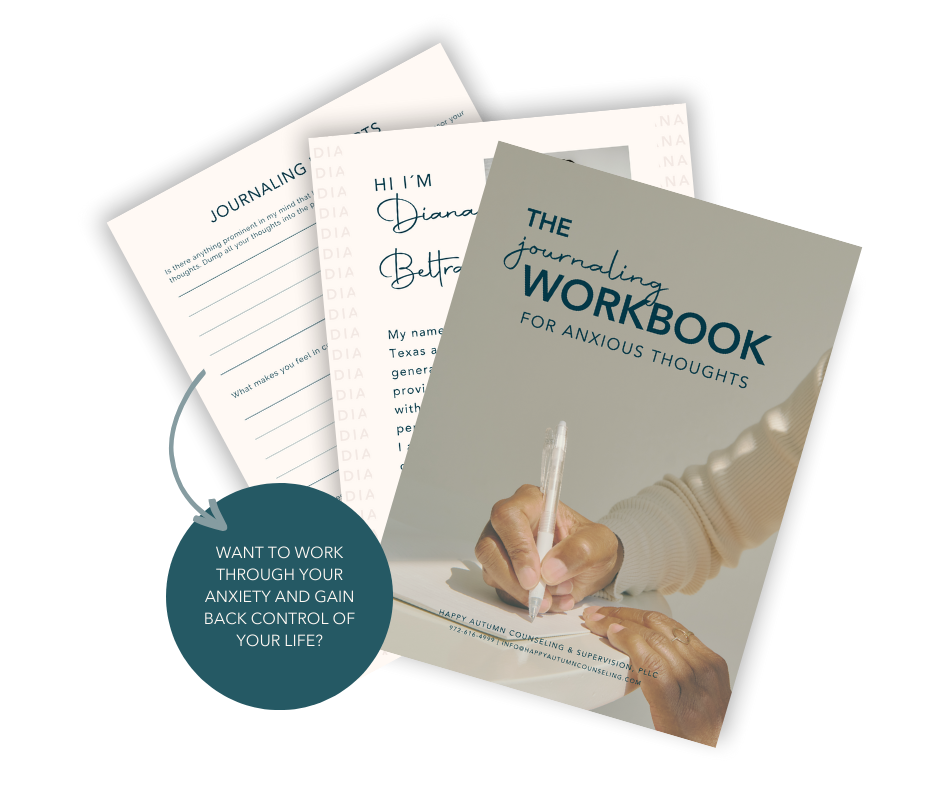
Grab my free journaling workbook
How I Can Help You