Addiction recovery: Why online therapy works and how to deal with it
You have promised yourself that this time will be different. That you will stop, cut back, or somehow take control, but every time stress or loneliness hits, the old habit feels stronger than your willpower. You want help, but even saying the words out loud feels heavy. That is where online addiction therapy can quietly open the door to something new, a private, safe, and judgment-free way to begin your healing journey from home.
For many people, the hardest part of recovery is not admitting there is a problem, it is finding a safe way to start. In case you are new here, I am Diana Beltran, founder of Happy Autumn Counseling, a virtual group practice. Through online addiction therapy, my team and I help bilingual and First Gen women heal from addiction and trauma with understanding, structure, and emotional safety, all through secure virtual sessions designed for real life.
Why does virtual therapy work for addiction recovery?
Healing begins where you feel safe
Real healing begins in safety, not in a clinic waiting room. When you meet your therapist online, you are in a familiar space, maybe your living room, your car, or your favorite chair. That comfort matters. It lowers anxiety, quiets shame, and helps you open up sooner. In online addiction therapy, many clients share that they can finally speak honestly about their struggles without fear of being judged or seen by others.
Safety allows the nervous system to relax, and that relaxation is where real change begins. Whether you are recovering from alcohol, prescription medication, or another substance, showing up from your own space means you can start therapy on your terms.
Consistency without disruption
Recovery is built on consistency, and that is often the hardest thing to sustain when life does not stop for therapy. Virtual sessions allow you to keep your appointments no matter where you are, without worrying about traffic, childcare, or missing work. You can maintain your routine while building a new one that supports your sobriety.
Many of our clients share that online addiction therapy helped them stay committed because it fit naturally into their schedule. And consistency builds confidence, a quiet, steady kind of strength that says, I am doing this.
Privacy that supports vulnerability
Healing from addiction requires honesty, and honesty grows best in privacy. For many First Gen and bilingual women, cultural and community expectations can make therapy feel intimidating. Online addiction therapy protects that confidentiality, so you do not have to worry about who might see you walking into a clinic or asking questions you are not ready to answer.
This privacy gives you space to tell the truth, not just about your addiction, but about the loneliness, fear, or generational pain underneath it. It is a space to rebuild trust in yourself.

The science behind online therapy for addiction recovery
Evidence-based effectiveness
Research consistently shows that online therapy can be just as effective as in-person treatment for many types of substance use disorders. The key is not the technology itself, but the structure, accountability, and human connection built into the process. Studies confirm that when therapy includes evidence-based approaches such as cognitive-behavioral therapy (CBT) and motivational interviewing, outcomes online are nearly identical to those in traditional office settings.
Recent findings also highlight how telehealth is transforming addiction care. According to research on telehealth and addiction recovery, virtual therapy not only removes barriers such as distance, stigma, and scheduling conflicts, but it also helps clients stay in treatment longer. By 2023, nearly two-thirds of behavioral health sessions were conducted online, with retention rates of around 50% after a year compared to only 36% for traditional in-person care. These numbers reflect what we see every day at Happy Autumn Counseling: when people feel safe and supported, they stay engaged, and engagement drives healing.
How the brain learns through connection
Addiction rewires the brain’s reward system. Recovery means helping the brain relearn safety, satisfaction, and calm. Connection, even through a screen, activates the same neural pathways that in-person relationships do. When you feel seen, heard, and understood by your therapist, your brain begins to form new associations, comfort instead of craving, connection instead of isolation.
That is why online addiction therapy is not less than; it is a different doorway into the same healing process. What matters is the relationship, not the room.
Emotional regulation and accountability
Online sessions can include real-time tools that strengthen emotional regulation, such as guided mindfulness, breathing exercises, journaling, and structured check-ins between sessions. When clients practice these techniques in their actual living environments, they are not just talking about coping; they are living it.

What therapy is most effective for addiction
Trauma-informed therapy
Addiction rarely begins in isolation. It is often rooted in old wounds like loss, abuse, shame, or unprocessed stress. A trauma-informed approach helps you understand not just what you are using, but why. In online addiction therapy, trauma-informed care provides structure and safety so you can address pain without reliving it. You will learn to recognize triggers, set boundaries, and develop healthier coping strategies with compassion rather than judgment.
CBT and motivational interviewing
Cognitive behavioral therapy helps identify thought patterns that fuel addictive behavior, such as the “I already messed up, so it does not matter” loop that keeps you stuck. Motivational interviewing strengthens your sense of agency by focusing on what you want for your life rather than on what others expect. Together, these tools guide you in rebuilding your confidence step by step.
Both approaches work seamlessly in online addiction therapy because they rely on dialogue, reflection, and accountability, all of which translate beautifully to virtual sessions.
Mindfulness-based techniques
Recovery is not only a mental process, it is also deeply physical. Somatic and mindfulness-based practices teach you to notice how cravings show up in your body, the tension, the restlessness, the urge to escape, and meet them with awareness instead of reaction. Grounding exercises, guided meditations, and gentle movement can all be integrated into online sessions.

How to know if online therapy for addiction is right for you
You might still wonder if healing through a screen can really work. The truth is, if you value privacy, flexibility, and emotional safety, online addiction therapy can be an ideal way to begin recovery. It is especially powerful if you have tried quitting on your own or have felt uncomfortable in traditional treatment programs.
If you are unsure whether it is right for you, take a moment to reflect on these questions:
- Do I feel more comfortable opening up about personal topics in a familiar space, like my home?
- Have I avoided in-person therapy because of transportation, scheduling, or childcare challenges?
- Do I value privacy and prefer a confidential space where I will not be seen entering a clinic?
- Am I looking for support that fits my lifestyle, without adding more stress or logistics?
- Do I feel anxious or intimidated by traditional therapy settings or group environments?
- Would flexible, consistent sessions help me stay more committed to my recovery process?
- Do I want a therapist who understands what it means to navigate life as a bilingual or First Gen woman?
- Am I ready to take small, sustainable steps toward healing at my own pace?
If you answered yes to most of these, online addiction therapy can be a safe and effective way to begin. It is designed for real life, meeting you where you are and supporting your growth one step at a time.
A new beginning that starts where you are
Healing is messy, nonlinear, and deeply human. What matters is showing up, one session at a time, and allowing support to meet you where you are. Recovery is not about perfection; it is about permission. Permission to be honest, to slow down, and to rebuild a relationship with yourself that feels steady and kind.
At Happy Autumn Counseling, we believe healing happens through understanding, not pressure. Whether you are just beginning or returning to recovery after setbacks, you are not starting from zero. You are starting from experience, courage, and a deep desire for peace.
If you are ready to begin that journey, reach out today to start online addiction therapy
*AI Disclosure: This content may contain sections generated with AI with the purpose of providing you with condensed helpful and relevant content, however all personal opinions are 100% human made as well as the blog post structure, outline and key takeaways.
*Blog Disclaimer: Please note that reading our blog does not replace any mental health therapy or medical advice.
The content shared on this blog is for informational and educational purposes only and does not constitute therapeutic advice or a substitute for professional mental health services. Reading this blog does not establish a therapist-client relationship. If you are in need of mental health support, please seek help from a licensed professional in your area.

Hello! you
Welcome to Happy Autumn Counseling.
We are a virtual group practice of bilingual therapists passionate about supporting you through life’s challenges. Whether you’re dealing with anxiety, trauma, OCD, substance abuse, or any mental health issue, our goal is to help you regain control, tackle stress, and empower you to thrive.
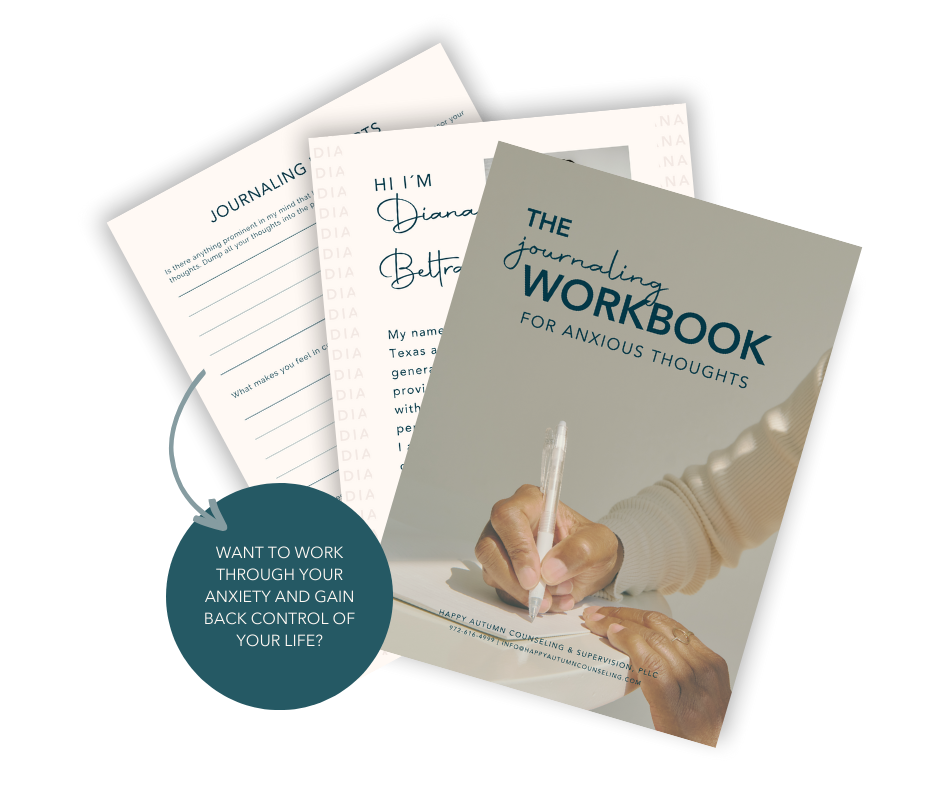
Grab my free journaling workbook
How I Can Help You