
EMDR vs brainspotting: What every first gen woman should know about reprocessing trauma and finding peace
You have gone to therapy. You have practiced grounding. You have journaled, prayed, meditated. On the outside, you are functioning. You show up for work. You show up for family. You keep going.
But your body still reacts like it is bracing for something.
Your chest tightens when someone raises their voice. Your heart races during conflict. You overthink every decision. You tell yourself you should be over it by now, but something still feels unfinished.
If you have found yourself searching EMDR vs brainspotting, it likely means you are ready for a deeper kind of healing. The kind that reaches the nervous system, not just your thoughts.
In case you are new here, I am Diana Beltran, founder of Happy Autumn Counseling, a virtual group practice serving Texas, Arkansas and Florida. Through EMDR therapy, my team and I help bilingual and first gen women heal from trauma by reconnecting with their emotions, their bodies and their inner peace at a pace that feels right.
Let’s make this simple. Both EMDR and brainspotting are powerful trauma therapies. The real question is not which one is better. The question is which one will help you feel safe enough to finally let go.
What both EMDR and brainspotting have in common
They help your brain finish what trauma started
Trauma is not just a memory. It is an experience that lives in the body.
When something overwhelming happens, your nervous system stores it in survival mode. Even years later, your body may still respond as if danger is present.
Both EMDR and brainspotting are brain based therapies. They activate your brain’s natural healing mechanisms so stuck experiences can finally move through instead of staying frozen.
When comparing EMDR vs brainspotting, it helps to understand that both are designed to reprocess trauma rather than simply talk about it.
They go beyond talk therapy
Talk therapy can be helpful. But for many first gen women, words alone are not enough.
You may intellectually understand that you are safe now. Yet your body still feels tense. Your reactions feel automatic.
EMDR and brainspotting focus on felt experience. They pay attention to body sensations, emotional shifts and nervous system responses. They work with how trauma is stored physically, not just cognitively.
They work gently and deeply
Neither therapy forces you to relive trauma in overwhelming detail. Safety, pacing and consent are central.
I have seen women talk about painful memories without their voices shaking for the first time. Not because the memory disappeared, but because their bodies finally believed they were safe.
That shift is powerful.
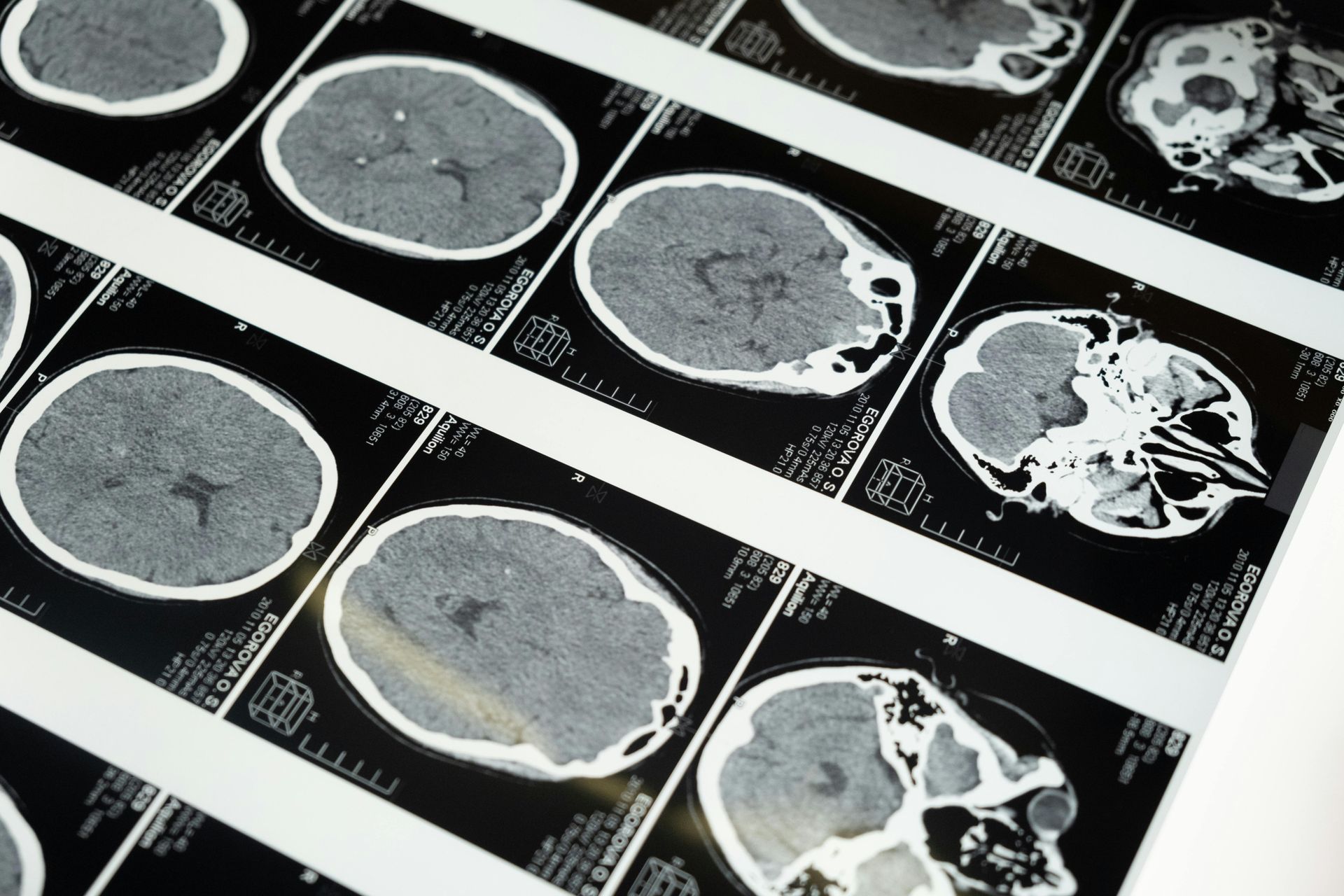
EMDR structured reprocessing that restores balance
How EMDR works
EMDR stands for Eye Movement Desensitization and Reprocessing. It uses bilateral stimulation such as guided eye movements, tapping or alternating tones.
This rhythmic stimulation activates both hemispheres of the brain. When you focus briefly on a distressing memory while engaging in bilateral stimulation, the brain begins to reprocess the experience.
The memory does not vanish. Instead, it loses its emotional charge. It becomes something that happened, not something that is still happening.
If you would like a deeper explanation of how sessions actually unfold, I invite you to read our full guide: What is EMDR therapy, how does it work and what to expect in your first session, where I walk you step by step through what happens in your first appointment and how we ensure you feel safe throughout the process.
When EMDR may be a good fit
EMDR can be especially helpful if you can identify specific memories that still feel painful.
A breakup that shattered your confidence.
An accident that left you anxious.
Childhood experiences that shaped how you see yourself.
For first gen women, EMDR can help process experiences of pressure, perfectionism and the unspoken responsibility to carry everyone else’s needs.
If you are ready to begin structured trauma work, you can explore EMDR therapy through our virtual services at Happy Autumn Counseling. We offer EMDR therapy for clients across Texas, Arkansas and Florida in English and Spanish.
The rhythm of EMDR sessions
EMDR sessions have a clear flow. We begin by ensuring emotional stability. We identify a target memory. We engage in sets of bilateral stimulation. We pause and check in regularly.
This structure can feel grounding for clients who appreciate clarity and direction.
When considering EMDR vs brainspotting, some women prefer EMDR because it feels guided and predictable.
Brainspotting emotional flow when words are not enough
How brainspotting works
Brainspotting is another brain based therapy that uses eye position to access stored trauma.
The therapist helps you find a specific eye position connected to emotional activation. When you hold that gaze, the body begins to process what has been stored.
Unlike EMDR, brainspotting is less structured. It follows the body’s natural flow rather than a set protocol.
When comparing EMDR vs brainspotting, think of brainspotting as intuitive and open ended.
When brainspotting may be a better fit
Brainspotting can be helpful if you feel emotionally blocked or disconnected.
Some first gen women struggle to put their experiences into words. There may be cultural expectations to stay strong, quiet or composed. Brainspotting allows processing without heavy verbal explanation.
It can be ideal if you feel overwhelmed but cannot clearly identify why.
The rhythm of brainspotting sessions
Brainspotting sessions are often slower and quieter. There is space. Silence is welcome.
The body decides when to release it.
For women who feel exhausted by structure or analysis, this gentler rhythm can feel relieving.

EMDR vs brainspotting for first gen women breaking emotional patterns
Healing beyond survival mode
Many first gen women grow up in survival mode. There may be pressure to succeed, to translate for family, to manage responsibilities early in life.
Over time, survival becomes your baseline.
Both EMDR and brainspotting help shift from survival to connection. From hypervigilance to presence.
When your nervous system is no longer constantly bracing, you begin to experience calm in a new way.
Releasing generational tension
Some patterns are not just personal. They are generational.
The belief that asking for help is weakness.
The expectation to endure silently.
The fear of disappointing family.
Brain based therapies can help process these inherited stress responses. They allow your body to experience safety without guilt.
In the EMDR vs brainspotting conversation, the most important factor is not technique. It is whether you feel safe enough to soften.
Learning to feel safe in your own body
For many women, trauma healing is about reconnecting with the body.
Breathing without tension.
Sleeping without bracing.
Speaking without fear of emotional collapse.
Both EMDR and brainspotting help you trust your internal signals again.
Imagine waking up without that background anxiety. Imagine conflict without panic. Imagine feeling steady even when life feels uncertain.
That is possible.
Starting your healing journey
You deserve peace that lasts. If you live in Texas, Arkansas or Florida, you can begin EMDR therapy virtually from the comfort of your home.
Our team at Happy Autumn Counseling provides trauma informed, bilingual care for first gen women navigating anxiety, trauma and emotional exhaustion.
When deciding to start EMDR therapy, we explore your history, preferences and readiness together. There is no pressure. Only clarity. You deserve peace that is not temporary. You deserve emotional steadiness that does not disappear when life gets hard.
*AI Disclosure: This content may contain sections generated with AI with the purpose of providing you with condensed helpful and relevant content, however all personal opinions are 100% human made as well as the blog post structure, outline and key takeaways.
*Blog Disclaimer: Please note that reading our blog does not replace any mental health therapy or medical advice.
The content shared on this blog is for informational and educational purposes only and does not constitute therapeutic advice or a substitute for professional mental health services. Reading this blog does not establish a therapist-client relationship. If you are in need of mental health support, please seek help from a licensed professional in your area.

Hello! you
Welcome to Happy Autumn Counseling.
We are a virtual group practice of bilingual therapists passionate about supporting you through life’s challenges. Whether you’re dealing with anxiety, trauma, OCD, substance abuse, or any mental health issue, our goal is to help you regain control, tackle stress, and empower you to thrive.
Grab my free journaling workbook

How I Can Help You